
Wisdom Teeth Removal in Victorville, CA
Wisdom teeth, also known as third molars, are the last teeth to erupt in your mouth. This generally occurs between the ages of 17 and 25, a time of life that has been called the "Age of Wisdom."
Anthropologists note that the rough diet of early humans resulted in the excessive wear of their teeth. Normal drifting of the teeth to compensate for this wear ensured that space was available for most wisdom teeth to erupt by adolescence. The modern diet, which is much softer, and the popularity of orthodontic tooth straightening procedures produce a fuller dental arch, which quite commonly doesn't leave room for the wisdom teeth to erupt, thereby setting the stage for problems when the final four molars enter the mouth.
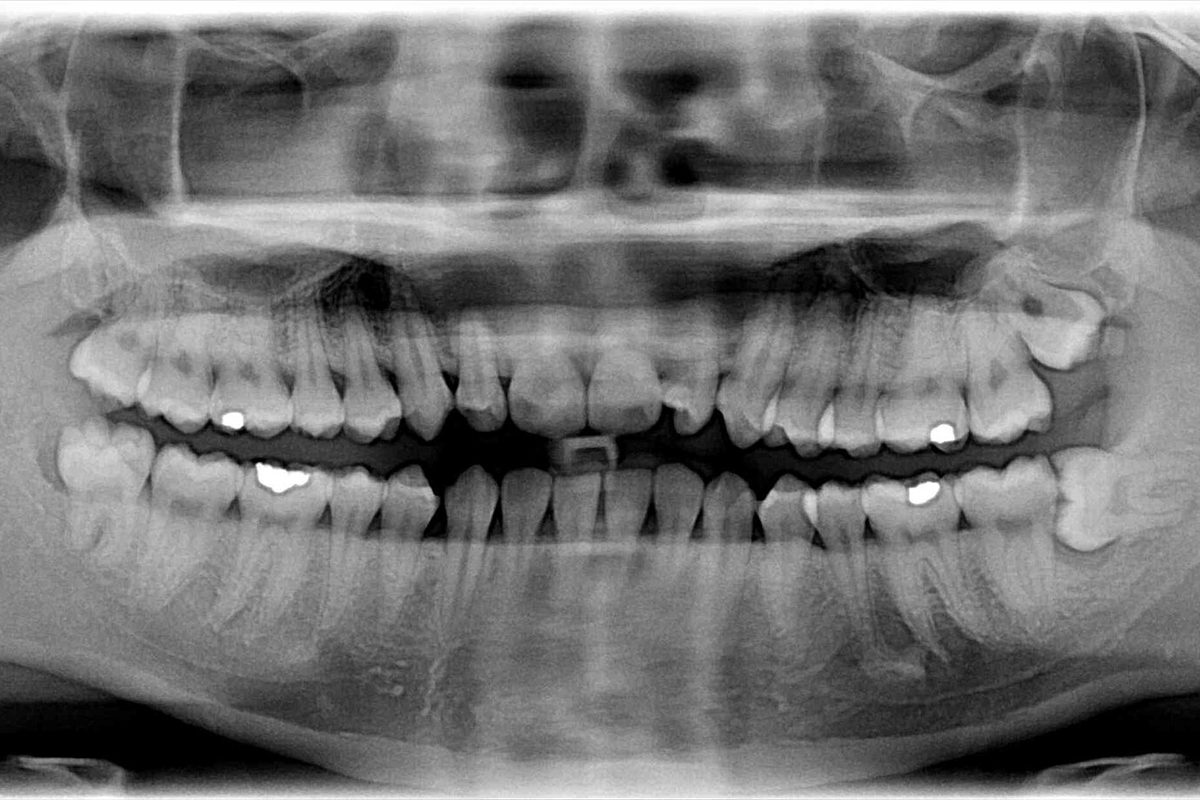
What is an Impacted Tooth?
A tooth becomes impacted when there is a lack of space in the dental arch and its growth and eruption are prevented by overlying gum, bone or another tooth.
How Serious is an Impacted Tooth?
Impacted teeth can be painful and lead to infection. They may also crowd or damage adjacent teeth or roots.
More serious problems may occur if the sac surrounding the impacted tooth becomes filled with fluid and enlarges to form a cyst. As the cyst grows it may hollow out the jaw and permanently damage adjacent teeth, the surrounding bone and nerves. Rarely, if a cyst is not treated, a tumor may develop from its walls and a more serious surgical procedure may be required to remove it.
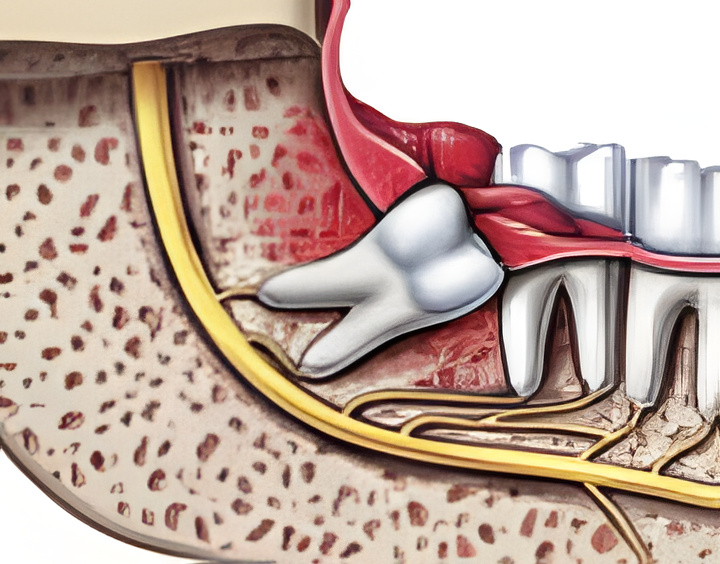 (a) Infection
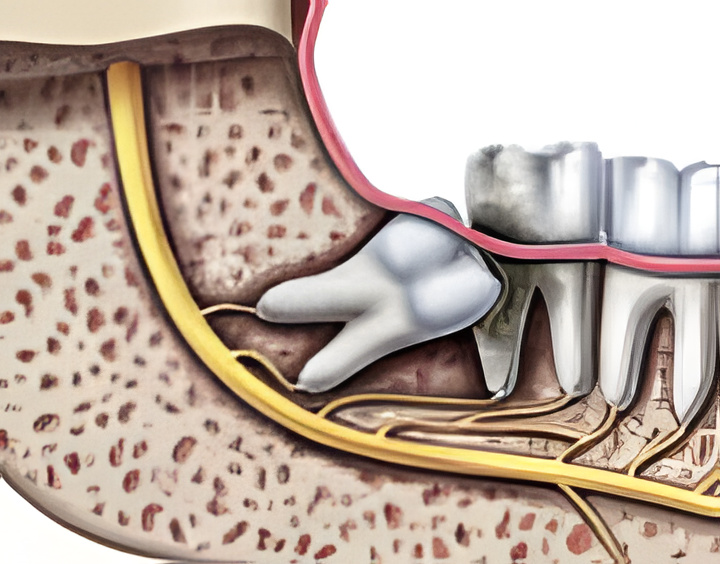 (b) Crowding, damage
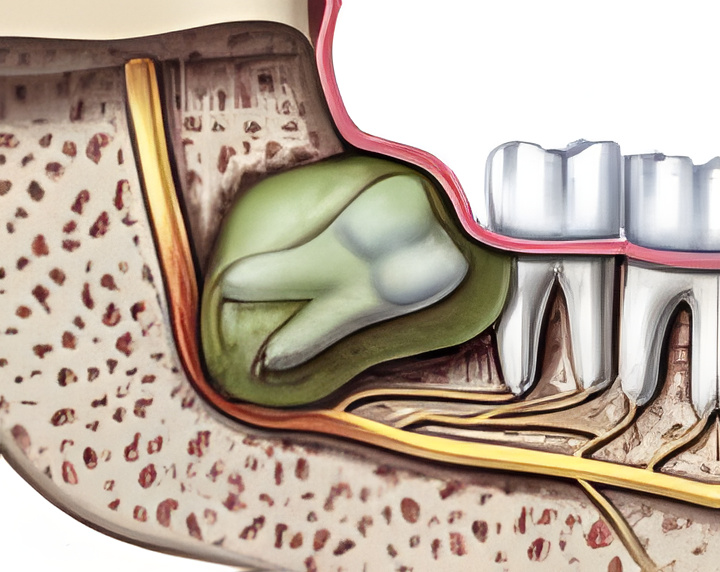 (c) Cyst
Despite the considerable concern regarding impacted third molars, a study sponsored by the American Association of Oral and Maxillofacial Surgeons and the Oral and Maxillofacial Surgery Foundation finds that third molars which have broken through the tissue and erupted into the mouth in a normal, upright position may be as prone to disease as those third molars that remain impacted.
Must the Tooth Come Out if it Hasn't Caused Any Problems Yet?
Not all problems related to third molars are painful or visible. Damage can occur without your being aware of it.
As wisdom teeth grow, their roots become longer, the teeth become more difficult to remove and complications become more likely. In addition, impacted wisdom teeth are more likely to cause problems as patients age.
No one can predict when third molar complications will occur, but when they do, the circumstances can be much more painful and the teeth more difficult to treat.
When Should I Have My Wisdom Teeth Removed?
It isn't wise to wait until your wisdom teeth start to bother you. In general, earlier removal of wisdom teeth results in a less complicated healing process. The AAOMS/OMSF study strongly recommends that wisdom teeth be removed by the time the patient is a young adult in order to prevent future problems and to ensure optimal healing. The researchers found that older patients may be at greater risk for disease, including periodontitis, in the tissues surrounding the third molars and adjacent teeth. Periodontal infections, such as those observed in this study, may affect your general health.
What Happens During Surgery?
Before surgery, Dr. Chu will discuss with you what to expect. This is a good time to ask questions or express your concerns. It is especially important to let the doctor know about any illness you have and medications you are taking.
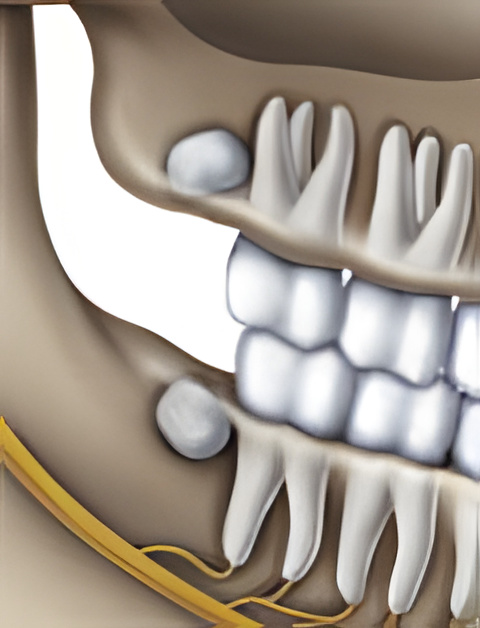 12 years
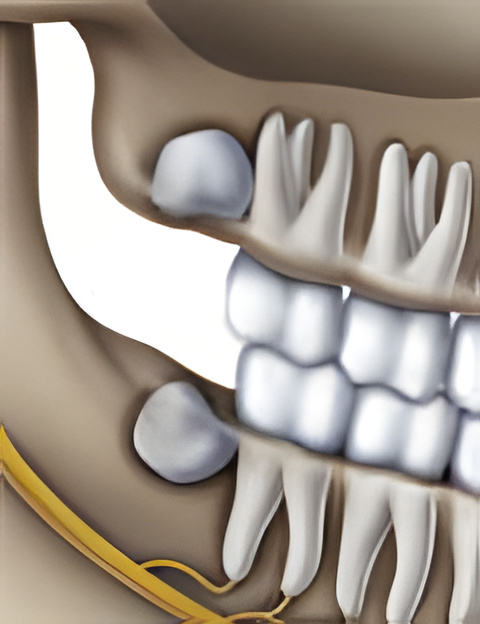 14 years
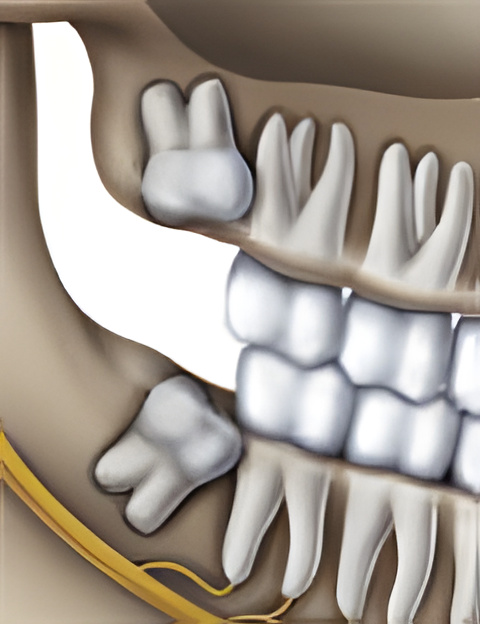 17 years
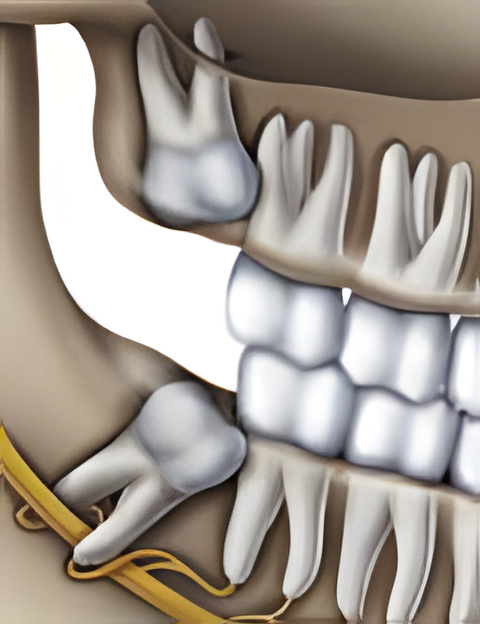 25 years
Wisdom teeth are easier to remove when the patient is younger, since their roots are not completely formed, the surrounding bone is softer, and there is less chance of damaging nearby nerves or other structures. Removal of wisdom teeth at a later age becomes more complicated as the roots have fully developed (may involve the nerve), and the jawbone is denser.
The relative ease with which a wisdom tooth may be removed depends on several conditions, including the position of the tooth and root development. Impacted wisdom teeth may require a more involved surgical procedure.
Most wisdom tooth extractions are performed in the oral and maxillofacial surgery office under local anesthesia, nitrous oxide, IV sedation, or general anesthesia. Dr. Chu will discuss the anesthetic option that is right for you.
What Happens after Surgery?
Following surgery, you may experience some swelling and mild discomfort, which are part of the normal healing process. Cold compresses may help decrease the swelling, and medication prescribed by your oral and maxillofacial surgeon can help manage the discomfort. You may be instructed to modify your diet following surgery and later progress to more normal foods.