
Bone Grafting
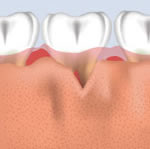
Although implants can often be placed without issue, sometimes the jawbone has inadequate bone structure due to bone loss, previous extractions, gum disease or injury. In these instances, bone grafting is the optimal solution in regrowing the missing bone and placing the implant.
Today's technologies allow Dr. Chu to replace and grow the needed jawbone. Bone grafting is not only functional, but also enhances the aesthetic appearance of the jaw. The bone used in these procedures can either come from a tissue bank or be extracted from easily accessible areas of your own body.
Sinus Graft
When the upper back teeth are removed, the floor of the maxillary sinuses, empty spaces located just above the roots, begin to grow downward. This creates inadequate depth of bone to hold the implant.
To solve the problem, Dr. Chu uses the sinus graft procedure.
Procedure: Dr. Chu enters the sinus from its side, above where the upper teeth used to be. The sinus membrane is then lifted upward and bone is inserted into the floor of the sinus.
After several months of healing, the inserted bone becomes part of the patient's jaw and dental implants can be placed and stabilized in this new sinus bone.
Socket Preservation and Ridge Augmentation
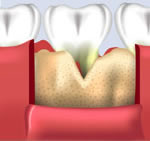
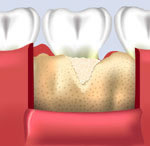
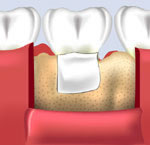
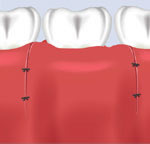
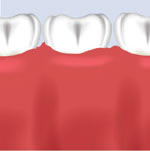
Socket preservation is performed immediately after a tooth extraction to promote bone growth and preserve the open socket, so it keeps the strength to support an eventual dental implant.
Ridge augmentation restores and reconstructs the jawbone after bone loss has already occurred. It is commonly used for patients who have been missing a tooth for some time or have worn dentures before deciding on dental implants.
Healing Time Before an Implant
Typical healing times before an implant can be placed, by type of graft:
- Socket preservation: 3 to 6 months
- Ridge augmentation: 6 to 9 months
- Sinus lift: 8 to 12 months
Dr. Chu will review the timeline for your own treatment plan at your consultation.
Why Bone Loss Matters
Without the stimulation of a tooth root, the jawbone gradually resorbs. Bone resorption complications can include:
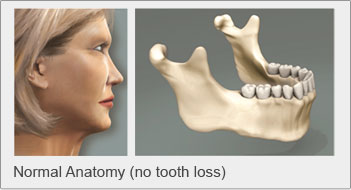
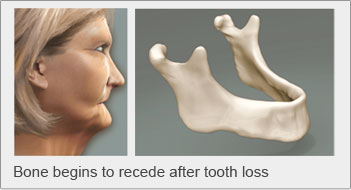
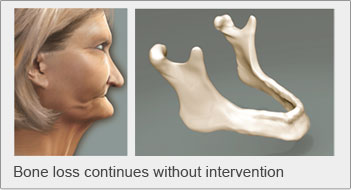
- Distorted facial features, such as facial drooping
- Pain or discomfort when talking or eating
- Difficulty swallowing
- Drooping lips
- Difficulty with speech
- Increased headaches and facial pain
- Premature wrinkling around the mouth
- Changes in bite alignment with your remaining teeth
- Too little bone to provide stability for a dental implant